10 Practical Ways to Minimise Accidents and Improve Safety
Warehouses are fast-paced environments where people, vehicles, equipment, and stock are constantly interacting. While these operations are critical to business success, they can also present significant health and safety risks if effective controls are not in place.
Reducing accidents requires more than compliance alone. Organisations that achieve the best safety outcomes are those that actively promote a positive safety culture, encourage employee engagement and continuously look for opportunities to improve.
In this blog, we'll explore 10 practical ways businesses can reduce warehouse accidents, improve safety culture and create a safer working environment for everyone.
- Maintain High Housekeeping Standards
Good housekeeping is one of the simplest ways to reduce accidents in a warehouse.
Blocked walkways, trailing cables, damaged flooring and poorly stored stock can all create hazards that increase the risk of slips, trips and falls. By keeping work areas clean, organised and free from obstructions, you can significantly improve safety for employees and visitors alike.
- Encourage Near Miss Reporting
Not every incident results in an injury, but every near miss presents an opportunity to learn.
Encouraging employees to report hazards and near misses allows businesses to identify potential problems before they develop into serious accidents. Creating an open reporting culture can provide valuable insight into areas requiring improvement.
- Separate Pedestrians and Vehicles
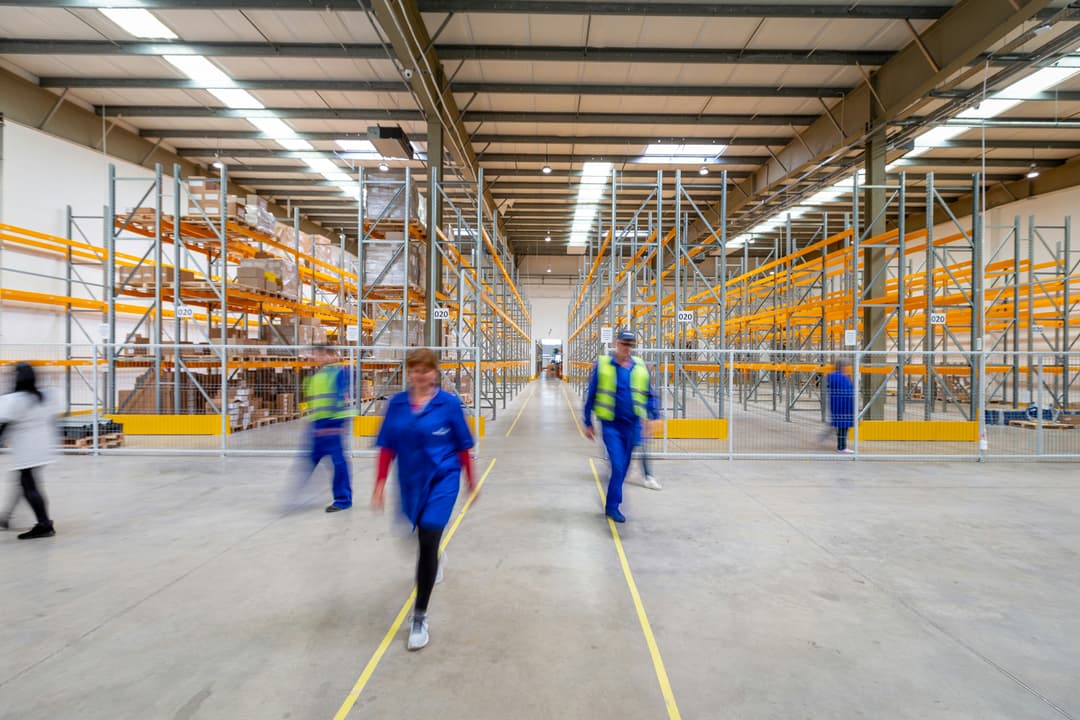
Forklifts and other workplace transport remain one of the most significant risks within warehouse environments.
Clearly marked pedestrian routes, designated crossing points and physical barriers can help reduce the likelihood of collisions. Effective traffic management should be a priority for every warehouse operation.
- Carry Out Regular Safety Inspections
Routine inspections help identify hazards before they result in incidents.
Regular checks of work areas, storage systems, equipment and emergency arrangements can highlight issues that may otherwise go unnoticed. Safety inspections should form part of a proactive approach to risk management rather than simply being completed to meet compliance requirements.
- Invest in Refresher Training
Training should not stop after an employee's initial induction.
Refresher training helps reinforce safe working practices, update employees on any procedural changes and ensure safety remains a priority throughout the workforce. Well-trained employees are often more confident and better equipped to recognise hazards.
- Address Complacency
Experience is valuable, but it can sometimes lead to complacency.
Employees who perform the same tasks every day may begin to take shortcuts or overlook risks. Regular engagement, supervision and safety discussions can help maintain awareness and encourage safe behaviours at all levels of the organisation.
- Inspect Warehouse Racking
Damaged racking can create serious safety risks if left unchecked.
Regular inspections should be carried out to identify signs of damage, overloading or deterioration. Any concerns should be addressed promptly to reduce the risk of stock falling or structural failure.
- Promote Visible Safety Leadership
Employees are more likely to engage with safety when they see leaders doing the same.
Managers and supervisors should regularly discuss safety, participate in inspections and respond positively to concerns raised by employees. Visible leadership demonstrates that safety is a genuine organisational priority.
- Learn From Incidents
When accidents or near misses occur, it is important to focus on learning rather than blame.
Investigating incidents properly can help identify root causes and prevent similar events from occurring in the future. Sharing lessons learned across the workforce can strengthen overall safety performance.
- Make Safety Part of Everyday Conversations
The strongest safety cultures are built through regular communication.
Toolbox talks, team briefings, safety observations and informal conversations all help keep safety at the forefront of employees' minds. Safety should be discussed consistently rather than only after an incident has occurred.
How Business Safety Solutions Can Help
Managing health and safety within a warehouse environment can be challenging, particularly when balancing operational demands, staffing pressures and legal responsibilities.
At Business Safety Solutions, we work with organisations across a range of sectors to help identify risks, improve safety performance and develop practical health and safety management systems that work in the real world.
Our services can help you:
- Conduct warehouse health and safety audits
- Review and update risk assessments
- Improve workplace safety culture
- Develop safe systems of work
- Deliver practical health and safety advice and support
- Ensure compliance with relevant health and safety legislation
Whether you require support with a specific warehouse safety issue or are looking to strengthen your overall health and safety management approach, our experienced consultants can provide tailored guidance to help protect your workforce and your business.